
Teenage acne and how to understand, treat and prevent breakouts
Teenage acne is a common skin condition affecting adolescents and young adults. More than a cosmetic concern, acne can influence self-esteem, emotional well-being, and quality of life. Understanding its causes, recognizing its different forms, and adopting appropriate skincare habits can help manage breakouts and reduce the risk of permanent scarring.
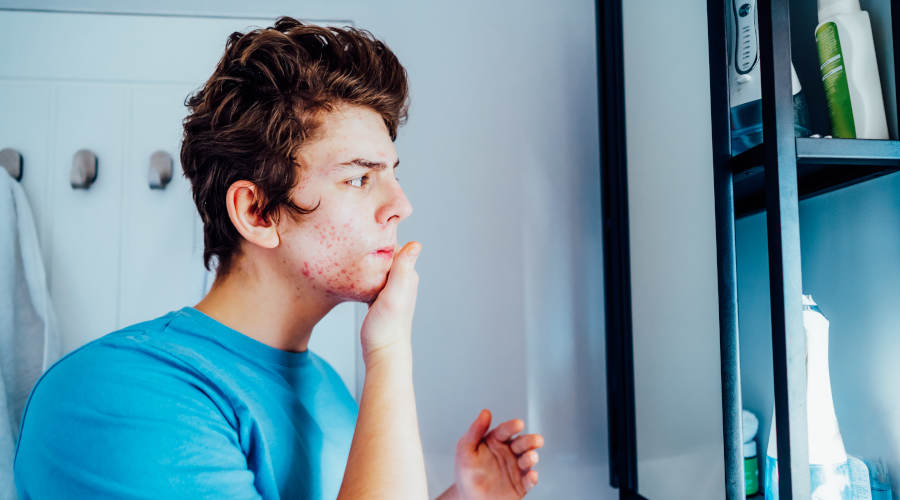
Teenage acne, also known as acne vulgaris, is one of the most common skin conditions among adolescents. Although it frequently develops during puberty and affects many people between the ages of 12 and 24, acne can begin earlier in childhood or persist well into adulthood.
Often considered an unavoidable part of growing up, acne is actually a complex inflammatory skin condition influenced by hormonal changes, genetics, and other biological and environmental factors. While some cases are mild and resolve over time, others require medical treatment to prevent persistent inflammation, scarring, and emotional distress. Understanding how acne develops and which treatments are effective is an important step toward healthier skin.
What causes teenage acne?
Teenage acne develops through a combination of biological processes involving the skin's oil glands and hair follicles. During puberty, increasing levels of hormones called androgens stimulate the sebaceous glands to produce more sebum, the natural oil that helps protect and moisturize the skin.
When excess sebum combines with dead skin cells, it can block hair follicles and create clogged pores. These conditions can encourage the activity of Cutibacterium acnes, a bacterium naturally found on human skin. Interactions between this bacterium and the immune system can contribute to inflammation, leading to the development of blackheads, whiteheads, red bumps, pustules, and deeper acne lesions.
Although hormonal changes play a central role, several other factors can influence acne severity. Genetic predisposition is particularly important. Adolescents with a family history of acne, especially severe acne, may be more likely to develop the condition themselves.
Stress can also contribute to acne flare-ups, although it is not considered a direct cause of acne. Certain cosmetic products, particularly those that clog pores, may worsen breakouts. Repeated friction or pressure from helmets, sports equipment, and face coverings can also contribute to a form of acne sometimes called acne mechanica.
Diet may influence acne in some individuals. Research suggests that high-glycemic diets, which include frequent consumption of refined carbohydrates and sugary foods, may contribute to breakouts. Some studies have also found associations between acne and certain dairy products, particularly skim milk. However, these relationships are not the same for everyone, and eliminating entire food groups is not routinely necessary.
The psychological impact of teenage acne
Beyond its visible effects on the skin, teenage acne can have a significant impact on emotional well-being. Adolescence is a period when physical appearance, self-image, and social acceptance often become particularly important.
For some teenagers, acne affecting the face, chest, shoulders, or back can cause embarrassment, frustration, anxiety, and reduced self-confidence. Even relatively mild acne may be emotionally distressing, depending on how the individual experiences the condition.
Acne can also affect social relationships. Some adolescents may avoid photographs, social gatherings, sports, or other activities because they feel uncomfortable with their appearance. In certain cases, concerns about acne may interfere with school attendance or everyday interactions.
Research has identified associations between acne and increased rates of anxiety, depressive symptoms, and reduced quality of life. These effects should not be dismissed simply because acne is common during adolescence.
When acne causes significant emotional distress, addressing both the skin condition and the person's psychological well-being is important. Support from family members, healthcare professionals, and mental health specialists can help adolescents feel more comfortable seeking treatment and discussing their concerns.
Different types and severity levels of teenage acne
Teenage acne does not appear the same way in everyone. Its severity can range from a few clogged pores to widespread inflammatory lesions that may cause permanent scarring.
Mild acne often involves open and closed comedones, commonly known as blackheads and whiteheads. Blackheads appear dark because material inside the pore is exposed to air and undergoes oxidation, not because the skin is dirty. Whiteheads develop when the clogged follicle remains closed beneath the skin's surface.
Moderate acne generally includes more noticeable inflammatory lesions, such as red bumps called papules and pus-filled lesions known as pustules. These breakouts may be uncomfortable and can affect larger areas of the face or body.
Severe acne may involve deep, painful nodules and other extensive inflammatory lesions. This form of acne carries a greater risk of permanent scarring and often requires treatment from a dermatologist.
Acne affects adolescents of all genders. Although severe forms may be more common in adolescent boys, girls can also experience persistent or significant breakouts. In some individuals, acne may worsen around the menstrual cycle because of hormonal fluctuations.
Regardless of severity, acne should be evaluated according to both its physical effects and its impact on the person's daily life.
Available treatments for teenage acne
Treatment depends on the type and severity of acne, the risk of scarring, previous treatment responses, and individual preferences. Many adolescents can manage mild acne with appropriate skincare products, while moderate or severe cases may require prescription medications.
For mild to moderate acne, topical treatments are often recommended. Benzoyl peroxide helps reduce acne-associated bacteria and inflammation. Salicylic acid can help unclog pores, while topical retinoids such as adapalene promote normal skin cell turnover and help prevent new comedones from forming.
These treatments may be available over the counter or by prescription, depending on the product and location. They can sometimes cause dryness, redness, or irritation, particularly when first introduced. Starting gradually and using a suitable moisturizer may improve tolerance.
For more persistent inflammatory acne, healthcare professionals may prescribe topical or oral antibiotics. To reduce the risk of antibiotic resistance, antibiotic treatment is generally combined with other medications, such as benzoyl peroxide, rather than used alone for extended periods.
Hormonal treatments may also be considered for certain adolescent girls and young women. Depending on individual circumstances, these may include specific combined oral contraceptives or other medications that influence hormonal activity. Such treatments require an appropriate medical assessment.
When acne is severe, causes scarring, or does not respond adequately to other therapies, a dermatologist may recommend oral isotretinoin. This medication can be highly effective because it reduces sebum production and targets several processes involved in acne development.
However, isotretinoin requires careful medical supervision because it can cause significant side effects and is known to cause severe birth defects if taken during pregnancy. Patients who can become pregnant must follow strict pregnancy-prevention and monitoring requirements during treatment.
Acne treatments generally take time to produce noticeable results. Improvement often becomes apparent after several weeks, and consistent use is important. A healthcare professional can help adjust the treatment plan if irritation occurs or progress is insufficient.
Daily skincare habits that help manage acne
Alongside medical treatments, adopting gentle and consistent skincare habits can help improve comfort and reduce factors that contribute to breakouts.
Washing the face gently once or twice daily with a mild cleanser is usually sufficient. Excessive washing, harsh scrubbing, and abrasive exfoliating products can irritate the skin and may worsen inflammation.
Choosing non-comedogenic skincare products, which are formulated to be less likely to clog pores, may help reduce breakouts. Lightweight moisturizers can also be useful, particularly when acne medications cause dryness.
It is important to avoid squeezing, picking, or scratching acne lesions. These habits can increase inflammation, delay healing, and raise the risk of scarring or post-inflammatory discoloration.
Daily sun protection is another important part of skincare. Although sun exposure may temporarily make acne less noticeable in some people, ultraviolet radiation does not provide a reliable acne treatment. Excessive sun exposure can damage the skin and may worsen dark marks left behind by acne.
Using a broad-spectrum sunscreen with an SPF of at least 30, preferably one labeled non-comedogenic, can help protect acne-prone skin. This is especially important when using certain acne medications that may increase sensitivity to sunlight.
Maintaining a balanced diet, getting adequate sleep, and managing stress can support overall health. However, acne is not caused by poor hygiene, and teenagers should not be made to feel responsible for developing the condition.
Can teenage acne be prevented?
Because acne is strongly influenced by hormones and genetics, it cannot always be prevented entirely. However, certain habits and early treatment strategies can help reduce breakouts and limit complications.
Using gentle skincare products, avoiding pore-clogging cosmetics, and following prescribed treatments consistently can help keep acne under better control.
Adolescents who notice recurring breakouts may benefit from identifying products or habits that appear to worsen their symptoms. However, frequent changes in skincare routines can make it difficult to determine whether a treatment is working.
Early intervention is particularly important when acne becomes painful, widespread, or begins leaving scars. Treating inflammatory lesions before significant scarring develops may help prevent long-term skin changes.
Teenagers should also be encouraged to seek medical advice rather than relying on unproven home remedies or aggressive treatments that may irritate or damage the skin.
The importance of family and professional support
For teenagers experiencing acne, support from family members and healthcare professionals can make a meaningful difference. Listening to their concerns without minimizing their feelings helps create an environment where they feel comfortable discussing their skin and emotional well-being.
Parents and caregivers can encourage healthy skincare habits and help adolescents understand that acne is a common medical condition rather than a reflection of cleanliness or personal habits.
A primary care physician or dermatologist can evaluate acne severity, recommend appropriate treatments, and monitor progress. Seeking professional care is especially important when acne is painful, persistent, causing scars, or significantly affecting self-confidence.
When emotional distress becomes substantial, support from a psychologist, counselor, or another mental health professional may also be beneficial. Addressing psychological concerns alongside dermatological treatment can improve overall quality of life.
Teenage acne is common and often improves with age, but it deserves appropriate attention and care. Every person's skin is different, and the most effective treatment depends on individual needs and circumstances.
With early intervention, appropriate skincare, effective medical treatment, and supportive guidance, many adolescents can manage acne successfully, reduce the risk of scarring, and feel more confident during an important stage of their lives.