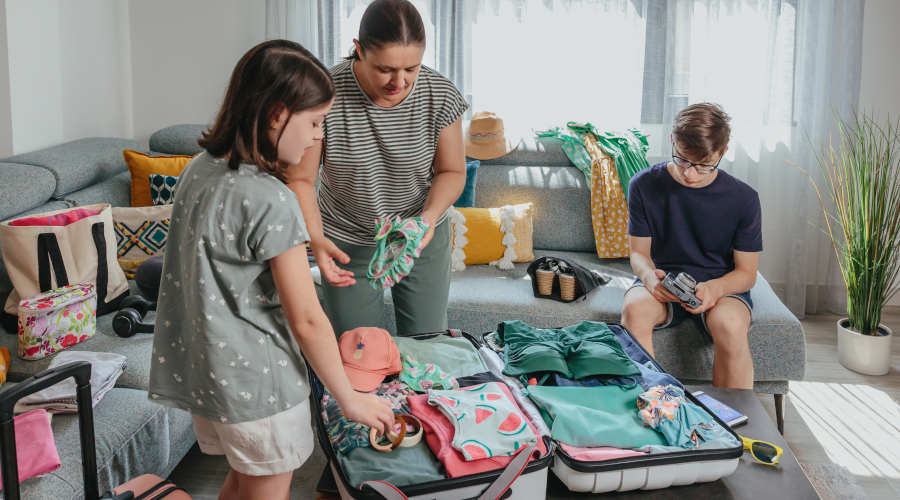
Traveling somewhere warm with the family soon? A well-prepared medical kit can help prevent minor health issues from disrupting your vacation. Common medications, sun protection, basic first aid supplies, and products for digestive problems are among the essentials that can help the whole family handle the unexpected.
A family vacation in a warm destination often means sunshine, beaches, swimming, and relaxation. Between passports, clothing, reservations, and luggage, however, it is easy to forget something that can prove very useful once you arrive: a travel medical kit.
A change in diet, prolonged sun exposure, an insect bite, a minor injury, or an episode of diarrhea can quickly disrupt a vacation. These situations can affect both adults and children, although certain precautions should be adapted according to each person's age and health.
The goal is not to bring an entire medicine cabinet, but rather to pack a few essential supplies for dealing with common minor health problems. A compact kit adapted to the family's needs and destination can make a real difference when something unexpected happens.
Medications taken regularly should be among the first items packed. Each family member should have enough medication for the entire trip, ideally with a small additional supply in case of delays or unexpected circumstances.
Medications should generally remain in their original containers with their labels. For certain prescription medications, it may also be helpful to carry a copy of the prescription or a list of the medications being taken.
Important medications should ideally be carried in hand luggage. Checked baggage can be delayed or lost, while daily medications need to remain accessible. Anyone who uses an inhaler, epinephrine auto-injector, or another medication that may be needed quickly should keep it within easy reach during travel and throughout the trip.
Headaches, muscle aches, fever, and other discomfort can occur while traveling just as they can at home. A commonly used medication for pain or fever, such as acetaminophen, can therefore be a useful addition to a family medical kit.
However, the needs of adults and children are not the same. For children, the appropriate dose depends on factors such as weight and the concentration of the product. An appropriate pediatric formulation and a device for accurately measuring the dose may be necessary.
Adults should also consider their health conditions and other medications before using certain over-the-counter products. Speaking with a pharmacist before departure can help identify appropriate options for each family member and reduce the risk of interactions or contraindications.
Beaches, excursions, sports, and other activities can increase the chances of minor injuries. A cut on the foot, a scrape, or a blister may be relatively minor, but it can become particularly uncomfortable when first aid supplies are not readily available.
A few adhesive bandages in different sizes, gauze pads, medical tape, and an appropriate product for cleaning minor wounds can help address many common situations. A small pair of tweezers can also be useful for removing a splinter.
In a hot and humid climate, wounds should be cleaned promptly and monitored as they heal. Spreading redness, increasing pain, significant swelling, drainage, or other unusual signs may require medical attention.
In warm, sunny destinations, prevention is one of the most important parts of preparing a family travel kit. A broad-spectrum sunscreen offering adequate protection should be packed in sufficient quantity for the entire trip.
Sun protection is important for both adults and children. Sunburn can occur quickly, particularly after swimming or during a long day outdoors. Sunscreen should therefore be reapplied according to the product's instructions and the activities being enjoyed.
Sunscreen is only one part of protecting the skin from the sun. Protective clothing, hats, sunglasses, and spending time in the shade can also help reduce exposure. Very young children require additional precautions, and sun protection recommendations should be appropriate for their age.
Traveling from a cooler climate to tropical temperatures can be a significant adjustment for the body. Heat, humidity, long walks, and activities in the sun can increase the risk of dehydration.
Children may not always remember to drink enough, but adults can also underestimate their fluid needs. Alcohol can contribute to dehydration as well, which is worth keeping in mind during particularly hot days.
Packets of oral rehydration solution can be useful in certain situations, particularly when someone loses a significant amount of fluid because of diarrhea or vomiting. Signs of significant dehydration should not be ignored, especially in young children or more vulnerable individuals.
In many tropical destinations, mosquitoes are more than just an annoyance. Some species can transmit disease. An appropriate insect repellent should therefore be among the products packed for the family.
The choice of product should take age into account. A product suitable for an adult may not be appropriate for a very young child. A pharmacist or other healthcare professional can help families choose products and concentrations appropriate for each person.
A product designed to relieve itching from ordinary insect bites can also be useful. However, a severe allergic reaction, difficulty breathing, or swelling of the face or mouth requires prompt medical attention.
Digestive problems can quickly interfere with a vacation. Unfamiliar foods, contaminated food, or unsafe drinking water can lead to diarrhea, nausea, and vomiting.
A medical kit can therefore include supplies for these situations. Oral rehydration solutions are particularly useful when significant fluid loss occurs. Depending on the family's needs, a pharmacist can also recommend appropriate products for adults and explain which medications may or may not be suitable for children.
Anti-diarrheal medications intended for adults should not automatically be given to children. Some symptoms also require more than home treatment. Severe or persistent diarrhea, blood in the stool, repeated vomiting, high fever, or signs of dehydration should prompt medical evaluation.
A travel medical kit should always be personalized. A family traveling with a baby will not have the same needs as a family traveling with teenagers. Allergies, asthma, chronic health conditions, regular medications, and planned activities can also affect what should be included.
The destination matters as well. Health recommendations for a stay at a Caribbean resort may be different from those for a trip that includes excursions into remote areas.
A few weeks before departure, speaking with a pharmacist, healthcare professional, or travel health clinic can help determine which vaccines, medications, and special precautions may be appropriate for the destination.
The best travel medical kit is not necessarily the one containing the most products. It should primarily contain medications and supplies that travelers know how to use correctly.
Medications should be stored according to the manufacturer's instructions and protected from excessive temperatures. A medical kit left for several hours in a vehicle exposed to direct sunlight can reach very high temperatures. It should also always be kept out of reach of young children.
Before leaving, it is a good idea to check expiration dates and make sure products are still in good condition and contain enough medication for the trip. This simple check can prevent travelers from discovering that a needed medication has expired or is nearly empty.
Preparing for a trip to a warm or tropical destination involves more than packing a medical kit. Depending on the country, length of stay, and planned activities, certain vaccinations may be recommended or required. In addition to making sure routine vaccinations are up to date, consulting a travel health professional several weeks before departure can help determine whether vaccines for illnesses such as hepatitis A, hepatitis B, typhoid fever, or yellow fever may be appropriate.
A healthcare professional can also provide information about precautions against mosquito-borne illnesses for which routine vaccination may not be available. Preparing before departure can help reduce health risks and make it easier to enjoy the vacation with greater peace of mind.
A family medical kit is designed for minor health problems and basic first aid. It is not a substitute for professional medical care when a situation becomes serious or concerning.
Difficulty breathing, a severe allergic reaction, loss of consciousness, a serious injury, significant signs of dehydration, a concerning fever, or a rapid deterioration in someone's general condition requires medical evaluation.
Before departure, families should also review their travel insurance coverage and know how to obtain medical assistance at their destination. The insurer's contact information can be stored with important travel documents and in the phones of the adults traveling.
Preparing a small medical kit before a family vacation in a warm destination takes only a little planning. By considering regular medications, minor injuries, sun exposure, heat, insects, and digestive problems, families can be better prepared to deal with common health issues. A few simple precautions can provide greater peace of mind and leave more time to enjoy the vacation.