
Doctors Without Borders and its mission to provide medical care during humanitarian crises
Doctors Without Borders, internationally known as Médecins Sans Frontières (MSF), is an independent humanitarian medical organization that provides emergency assistance to people affected by armed conflicts, epidemics, natural disasters, and limited access to healthcare. Its mission is to deliver essential medical care to vulnerable populations, regardless of their nationality, religion, or political beliefs.
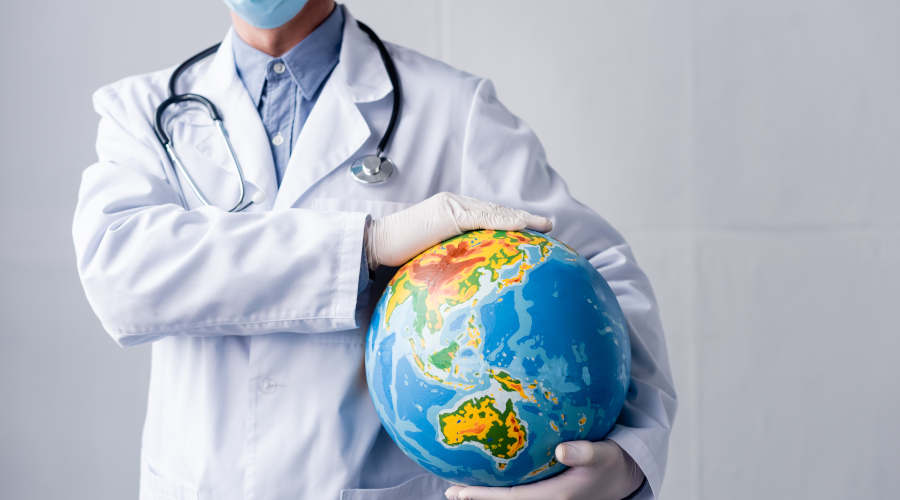
For more than 50 years, Doctors Without Borders (Médecins Sans Frontières, or MSF) has played an important role in international humanitarian assistance. Founded in 1971 by a group of French doctors and journalists, this independent medical organization responds to emergencies where lives are at risk, whether because of armed conflict, disease outbreaks, natural disasters, or inadequate access to healthcare.
Working in more than 70 countries in recent years, MSF has provided medical assistance to people facing some of the world's most difficult humanitarian situations. Its teams offer healthcare free of charge to patients, while also documenting humanitarian emergencies and drawing international attention to populations whose needs might otherwise be overlooked.
Providing lifesaving care in crisis zones
One of MSF's defining characteristics is its ability to mobilize medical teams and resources in emergency situations. During armed conflicts, natural disasters, and displacement crises, its personnel provide essential healthcare to people who may have little or no access to functioning medical facilities.
These teams include physicians, nurses, surgeons, midwives, mental health professionals, logisticians, and project coordinators. Their work may involve emergency surgery, treatment of infectious diseases, maternal healthcare, nutritional assistance, and care for people injured by violence.
Following the devastating 2010 earthquake in Haiti, MSF mobilized medical personnel and emergency resources to treat thousands of injured people. The organization provided surgical care, supported emergency medical facilities, and helped address urgent healthcare needs in communities affected by the disaster.
In South Sudan, where armed conflict, displacement, food insecurity, and limited healthcare infrastructure have created serious humanitarian challenges, MSF has provided medical treatment to civilians affected by violence, malnutrition, and infectious diseases.
Beyond direct medical care, MSF also supports access to clean drinking water, sanitation, and hygiene services. These measures are particularly important in overcrowded displacement camps and other settings where inadequate sanitation increases the risk of disease outbreaks.
A major role in responding to epidemics
Doctors Without Borders has extensive experience responding to infectious disease outbreaks and public health emergencies around the world. Its medical teams have participated in efforts to control epidemics involving Ebola, cholera, measles, tuberculosis, and other serious illnesses.
During the 2014 to 2016 Ebola outbreak in West Africa, MSF established specialized treatment centers, provided care to infected patients, and helped train healthcare workers in infection prevention and control. Its teams also contributed to public health efforts aimed at limiting transmission and protecting vulnerable communities.
In regions affected by cholera and measles outbreaks, MSF may establish temporary treatment facilities, organize vaccination campaigns, and deploy mobile clinics to reach isolated populations.
The organization has also worked to improve access to diagnosis and treatment for tuberculosis, including drug-resistant forms of the disease. These efforts are particularly important in communities where healthcare resources are limited and prolonged treatment can be difficult to obtain.
During the COVID-19 pandemic, MSF supported healthcare systems in several countries by providing medical supplies, assisting healthcare facilities, and sharing expertise in infection prevention and patient care.
These interventions demonstrate the importance of combining emergency treatment with prevention, community education, and support for local healthcare services.
Speaking out about humanitarian suffering
MSF's mission extends beyond providing medical treatment. The organization also seeks to raise awareness of humanitarian emergencies and the suffering experienced by people affected by conflict, displacement, and inadequate access to healthcare.
Through public reports, testimonies, and statements to the media, MSF draws attention to crises that may receive limited international coverage. Examples include the displacement and persecution of Rohingya communities in Myanmar and the challenges faced by migrants and refugees attempting to cross the Mediterranean Sea.
This practice of bearing witness, sometimes referred to by the French term témoignage, is an important part of MSF's humanitarian identity. It allows the organization to describe conditions witnessed by its medical teams and highlight barriers preventing people from receiving essential care.
MSF may also publicly criticize policies or actions that restrict humanitarian assistance or endanger patients and healthcare workers. Its statements concerning humanitarian access in Yemen and the treatment of refugees in Europe illustrate how the organization combines medical assistance with public advocacy.
Although MSF is guided by principles of impartiality and independence, speaking publicly about humanitarian conditions can sometimes create tensions with governments or other parties involved in a crisis.
Financial independence and impartial medical assistance
Financial independence is one of the central principles of Doctors Without Borders. The organization receives the vast majority of its funding from private donors, including individuals and private organizations.
Private contributions have historically represented more than 90% of MSF's overall funding, although the exact proportion may vary from year to year. This funding model helps the organization maintain operational independence and make decisions based primarily on medical and humanitarian needs.
MSF's commitment to impartiality means that medical assistance is intended to be provided according to the urgency of patients' needs, without discrimination based on nationality, ethnicity, religion, gender, or political affiliation.
Financial independence also gives the organization greater flexibility when responding to emergencies. However, it does not eliminate logistical, political, or security constraints that may limit access to certain populations.
MSF publishes financial and activity reports to explain how donations are used and to provide information about its humanitarian operations. Contributions support a range of activities, including medical programs, emergency preparedness, logistics, transportation, and organizational operations.
Humanitarian challenges in a changing world
Despite its experience and international presence, Doctors Without Borders faces increasingly complex challenges when delivering humanitarian assistance.
Access to conflict zones can be restricted by government policies, armed groups, insecurity, damaged infrastructure, and the destruction of healthcare facilities. These obstacles may prevent medical teams from reaching communities in urgent need of treatment.
In countries such as Afghanistan, Syria, and Mali, violence and attacks affecting healthcare workers and medical facilities have created serious risks for humanitarian operations. Protecting patients, healthcare personnel, and medical infrastructure remains a major concern.
Climate change is another growing challenge for humanitarian organizations. Rising temperatures, changing rainfall patterns, severe flooding, and prolonged droughts can intensify existing vulnerabilities, particularly in communities already affected by poverty, conflict, and weak healthcare systems.
These environmental changes may contribute to food insecurity, population displacement, and conditions that favor certain infectious disease outbreaks. The relationship between climate change and humanitarian crises is complex, but its effects can place additional pressure on already fragile healthcare services.
Humanitarian organizations also face financial and operational limitations. Even with substantial donor support, the demand for emergency healthcare can exceed available resources.
As a result, MSF must regularly assess where its assistance is most urgently needed and determine how to allocate medical personnel, supplies, and funding effectively. These decisions can be particularly difficult when several major emergencies occur simultaneously.
How to support Doctors Without Borders
The work of Doctors Without Borders depends heavily on public support. There are several ways individuals and organizations can contribute to its humanitarian mission.
Financial donations help support medical programs, purchase essential supplies, maintain emergency facilities, and transport personnel and equipment to areas affected by crises. Regular contributions can also help the organization prepare for future emergencies and respond rapidly when new needs arise.
MSF recruits professionals from a wide range of backgrounds. In addition to physicians and nurses, its humanitarian operations require pharmacists, mental health professionals, logisticians, engineers, financial specialists, and administrative personnel.
People interested in humanitarian work can explore career opportunities and learn about the qualifications and experience required for field assignments.
Sharing reliable information about humanitarian emergencies is another way to support the organization's mission. By reading and distributing MSF's reports and firsthand accounts, individuals can help raise awareness of populations affected by crises and the challenges they face in accessing healthcare.
Those wishing to contribute can visit the organization's official website to learn more about its current medical programs, employment opportunities, and donation options.
An essential organization in global humanitarian healthcare
For more than half a century, Doctors Without Borders has provided medical assistance to people experiencing some of the most difficult circumstances imaginable. Through its emergency response capabilities, medical expertise, and commitment to humanitarian principles, the organization has helped deliver lifesaving care in areas affected by conflict, disease, and disaster.
Its work also highlights the importance of protecting healthcare services during emergencies and ensuring that vulnerable populations are not forgotten when international attention shifts elsewhere.
As humanitarian needs continue to evolve, organizations such as MSF remain important participants in global emergency medical assistance. Their efforts demonstrate how medical expertise, international cooperation, and public support can help address urgent healthcare needs in some of the world's most challenging environments.
Supporting humanitarian medical organizations contributes to a broader commitment to human dignity and the principle that people should have access to essential healthcare, regardless of the circumstances in which they live.