
Knee braces and supports types, uses and practical tips
Whether used to protect the knee, relieve pain, or support recovery from an injury, knee braces are available in a wide variety of designs. Understanding the different types of knee braces, their specific uses, and how to choose and maintain them can help improve comfort, stability, and mobility.
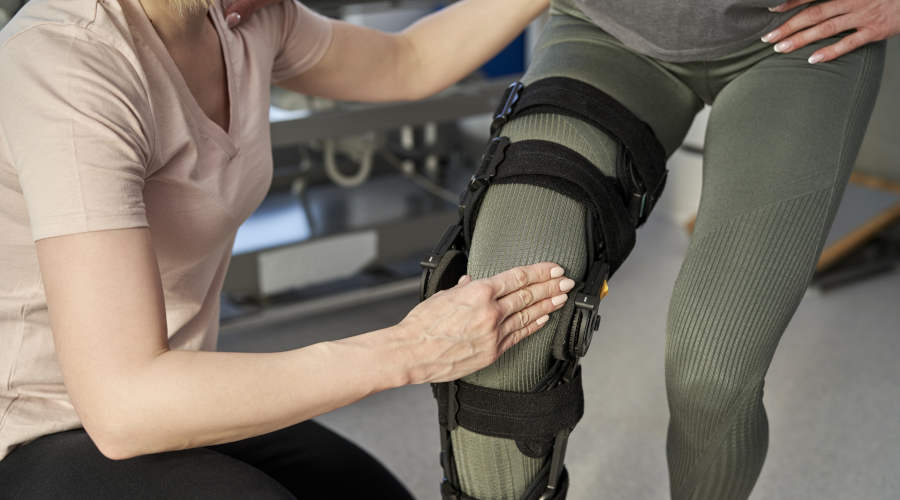
Knee braces are designed to support, stabilize, and protect the knee joint. Depending on their design and intended purpose, they can play an important role in injury management, rehabilitation, and the relief of chronic pain associated with conditions such as knee osteoarthritis. Some braces provide gentle compression, while others offer more substantial mechanical support or restrict movement during recovery. Choosing the right type depends on the underlying condition, activity level, and individual needs.
What is a knee brace?
A knee brace is an external orthopedic device designed to support, stabilize, or protect the knee joint. Depending on its purpose, it may be made from materials such as neoprene, elastic fabric, plastic, or metal. Some braces allow nearly unrestricted movement, while others control or limit specific motions.
Knee braces are used in various situations, including recovery from injuries, rehabilitation following surgery, management of certain chronic knee conditions, and additional support during physical activities. Their effectiveness depends on selecting an appropriate design, achieving a proper fit, and using the device as recommended.
Different types of knee braces
Knee braces come in several forms, each designed to address particular needs. Compression knee sleeves are among the simplest options. Usually made from elastic or neoprene materials, they provide gentle compression and may help improve comfort, reduce mild swelling, and increase the feeling of knee stability. However, they offer limited mechanical support and are not intended to stabilize major ligament injuries.
Hinged knee braces provide additional support through rigid or semi-rigid components positioned along the sides of the knee. They may be recommended for certain ligament injuries, including injuries involving the medial collateral ligament or other stabilizing structures. Some hinged braces are also used following surgery to protect the joint and control its range of motion during rehabilitation.
Patellar stabilizing braces are designed to support the kneecap and may be helpful for certain individuals experiencing patellar instability or recurrent subluxation. These braces often include straps or specialized padding intended to guide the kneecap and improve comfort during movement.
For individuals with knee osteoarthritis, specialized braces known as unloading or unloader braces may help reduce pressure on the affected compartment of the knee. By redistributing some of the forces passing through the joint, these devices can provide pain relief and improve function in selected patients, particularly those with osteoarthritis affecting one side of the knee.
Finally, knee immobilizers and rigid postoperative braces are used when movement needs to be restricted following certain injuries or surgical procedures. These devices may help protect healing tissues, although the degree and duration of immobilization should always follow medical recommendations.
How to choose the right knee brace
Choosing an appropriate knee brace should begin with an accurate assessment of the underlying condition. The type of injury, degree of instability, pain level, and rehabilitation goals all influence which device may be most suitable.
Factors such as support level, flexibility, comfort, and fit are particularly important. A lightweight compression sleeve may be appropriate for mild discomfort, while a more structured brace may be necessary for ligament instability or postoperative protection.
The intended activity also matters. Some knee braces are designed for sports and physical activity, while others are intended for daily use, rehabilitation, or temporary immobilization. A brace that works well for walking may not provide sufficient support for activities involving running, jumping, or sudden changes in direction.
Proper sizing is essential. A brace that is too loose may shift during movement and provide inadequate support. Conversely, a brace that is too tight may cause discomfort, skin irritation, or circulation problems.
Several healthcare professionals can assist with knee brace selection and fitting. Orthotists specialize in evaluating, fitting, and customizing orthopedic devices according to individual needs. They may work in specialized orthopedic clinics, rehabilitation centers, or facilities that provide custom orthotic services.
Physical therapists can also help determine whether a knee brace may be beneficial as part of a rehabilitation program. By assessing joint mobility, muscle strength, balance, and functional limitations, they can recommend appropriate support and exercises to improve knee function.
Depending on the condition, an orthopedic specialist or another qualified healthcare professional may also be involved in selecting the most suitable device and monitoring its effectiveness.
How to wear and maintain a knee brace
Correct positioning is essential for a knee brace to provide the intended support. The brace should be placed according to the manufacturer's instructions, with any hinges or stabilizing components properly aligned with the knee joint.
Straps should be tightened evenly to keep the brace secure without creating excessive pressure. A properly fitted brace should feel supportive but should not cause numbness, tingling, unusual swelling, or changes in skin color.
It is important to check the skin regularly for redness, irritation, or pressure marks, particularly when wearing a brace for extended periods. Persistent discomfort may indicate that the device needs adjustment.
Regular cleaning can help maintain hygiene and extend the life of a knee brace. Many fabric components can be cleaned using lukewarm water and mild soap, but cleaning instructions vary depending on the materials and design. Some braces have removable padding or components that require special care.
Unless the manufacturer specifically allows it, rigid braces should not be fully submerged in water. After cleaning, the device should generally be allowed to air-dry away from direct heat sources, which may damage elastic materials or plastic components.
Inspecting the brace regularly for worn straps, damaged hinges, loose fasteners, or deteriorating padding is also recommended. If the device becomes damaged or no longer fits properly, a healthcare professional or orthotic specialist can determine whether adjustments or replacement are necessary.
Benefits and limitations of knee braces
Knee braces can offer several benefits when used appropriately. Depending on the design, they may provide additional stability, limit movements that could aggravate an injury, reduce discomfort, or improve confidence during everyday activities.
Some braces can also help distribute forces across the knee joint, potentially reducing pain associated with specific conditions such as osteoarthritis. Compression sleeves may provide comfort and mild swelling control, while structured braces can help protect healing tissues during rehabilitation.
For certain patients recovering from surgery or ligament injuries, a brace may help control movement and support a gradual return to physical activity. However, not every knee injury requires a brace, and the benefits vary according to the condition and type of device.
Knee braces also have limitations. Poorly fitted devices may cause skin irritation, discomfort, or restricted circulation. Some braces can feel bulky or interfere with certain movements, particularly during sports or prolonged physical activity.
Although prolonged immobilization can contribute to muscle weakness and joint stiffness, wearing a properly selected supportive brace does not automatically weaken the muscles around the knee. The effects depend on the type of brace, how it is used, and whether the individual continues appropriate physical activity and rehabilitation.
Most importantly, knee braces do not replace exercises designed to improve muscle strength, flexibility, balance, and joint function. Physical therapy and progressive rehabilitation often remain essential parts of recovery and long-term knee health.
When to seek professional advice
Anyone experiencing persistent knee pain, recurrent instability, swelling, or difficulty walking should consult a qualified healthcare professional before relying on a brace as the primary solution.
A medical evaluation can help identify whether symptoms are related to a ligament injury, meniscus damage, osteoarthritis, patellar instability, or another condition requiring specific treatment.
Sudden severe swelling, an inability to bear weight, significant deformity, or knee pain following a major injury may require prompt medical assessment. A hot, red, swollen knee accompanied by fever also warrants urgent evaluation.
Knee braces can be valuable tools for managing certain injuries, improving comfort, and supporting rehabilitation. However, their effectiveness depends on choosing the appropriate device, wearing it correctly, and combining its use with suitable treatment and exercise when necessary.
With guidance from an orthotist, physical therapist, or other qualified healthcare professional, individuals can make informed decisions about knee support and develop a plan that promotes mobility, recovery, and long-term joint health.