
Iridology and the examination of the iris
What if a person's overall health could be assessed simply by looking into their eyes? This is the idea behind iridology, an alternative health practice that examines the colors, patterns, and characteristics of the iris. Although its supporters believe it can reveal information about the body's condition, its diagnostic claims have not been scientifically validated.
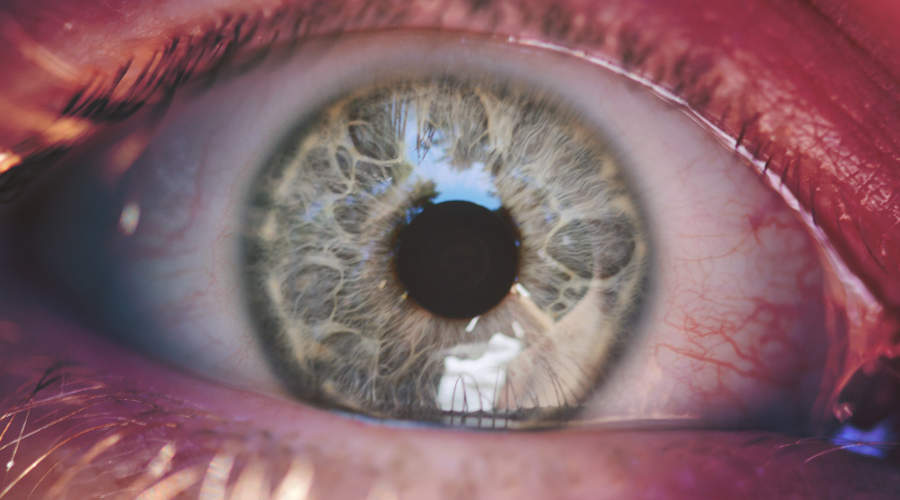
Iridology is an alternative practice based on the theory that the condition of the human body is reflected in the iris, the colored part of the eye surrounding the pupil. According to its supporters, examining the iris may reveal information about a person's general health and potential predispositions to certain conditions. Iridology is primarily promoted as a preventive approach, although scientific research has not demonstrated that it can reliably identify diseases or predict health problems. As a result, the practice remains controversial within the medical and scientific communities.
Examining the eyes
Iridology focuses on several characteristics of the iris, including its color, texture, patterns, and visible markings. Practitioners may also observe the size of the pupil and how it responds to light. According to iridology theory, these features provide information about a person's general physical condition, potential health tendencies, resistance to illness, and the body's ability to recover from certain imbalances.
Practitioners may interpret spots, lines, rings, and other markings in the iris as indicators of problems affecting particular organs or bodily functions. To do this, they use an iris chart, which divides the iris into sections believed to correspond to different parts of the body, such as the lungs, intestines, liver, and other organs.
Some charts also associate specific rings or zones with functions such as digestion, immunity, and circulation. In traditional iridology, each eye is generally associated with one side of the body. However, these proposed relationships have not been established through reliable scientific evidence.
Why do some people choose iridology?
People may turn to iridology because they are interested in alternative approaches to health and wellness. Supporters claim that examining the iris can reveal potential health weaknesses or predispositions before symptoms develop. This is one reason the practice is often presented as a preventive health assessment.
Iridology is sometimes incorporated into holistic health consultations, particularly by naturopaths and other alternative health practitioners. These consultations may consider lifestyle habits, nutrition, stress levels, and general well-being rather than focusing exclusively on individual symptoms.
However, there is no reliable scientific evidence that iridology can identify genetic predispositions, detect hidden illnesses, or predict future medical conditions. It should not be used as a substitute for medical screening, diagnostic tests, or consultations with qualified healthcare professionals.
What happens during an iridology session?
An iridology examination typically takes approximately 15 minutes, although the length of a complete consultation may vary. During the examination, the practitioner observes both eyes using a magnifying glass, a specialized camera, or another optical instrument.
The examination is generally painless and noninvasive because it does not require physical contact with the eyes. Some practitioners use enlarged digital photographs or video images to examine the iris in greater detail.
After observing the iris, the practitioner interprets its characteristics according to an iridology chart. These interpretations may be presented as an assessment of the person's general constitution or as indications of possible weaknesses in certain areas of the body.
The consultation may also include questions about eating habits, physical activity, sleep, stress, and other lifestyle factors. Based on this discussion, the practitioner may offer recommendations related to nutrition, relaxation, or general wellness.
Some practitioners may also recommend dietary supplements, herbal products, trace minerals, or homeopathic preparations. However, these recommendations should be evaluated carefully, particularly when they are based on unverified interpretations of the iris. Supplements and natural products can have side effects or interact with medications, while homeopathic products have not demonstrated reliable effectiveness for treating medical conditions.
Precautions to consider
Because iridology has not been scientifically validated as a diagnostic method, its interpretations may be inaccurate or misleading. A person could receive an apparently reassuring assessment despite having an undiagnosed medical condition, or be told that an illness is present when no such condition exists.
These situations can create unnecessary anxiety, delay appropriate medical care, or lead to the use of ineffective treatments. There is also a risk that individuals may spend money on supplements or alternative therapies that are not medically necessary.
Anyone experiencing persistent symptoms or concerned about a possible health condition should consult a qualified healthcare professional. A medical assessment based on established diagnostic methods is essential for identifying health problems and determining appropriate treatment.
The limitations of iridology
Iridology is based on the belief that patterns, colors, and other characteristics of the iris correspond to different organs and systems throughout the body. Supporters suggest that changes in these features may reveal imbalances or diseases.
Despite its popularity among some alternative health practitioners, iridology faces significant criticism because its fundamental claims have not been supported by convincing scientific evidence.
Lack of scientific evidence
One of the main limitations of iridology is the absence of reliable scientific evidence supporting its diagnostic claims. Studies evaluating the practice have generally failed to demonstrate a consistent relationship between iris characteristics and the presence of specific medical conditions.
Research has also found that iridology practitioners cannot reliably distinguish between healthy individuals and people with certain diagnosed diseases simply by examining their irises.
Although the appearance of the eyes can sometimes provide useful medical information, this should not be confused with iridology. Conventional eye examinations performed by optometrists and ophthalmologists use established clinical techniques to evaluate eye health and may identify signs associated with certain systemic diseases.
The risk of incorrect diagnoses
The lack of scientific validity creates a risk of inaccurate health assessments. Someone relying on iridology may mistakenly believe they are healthy despite having a medical condition that requires attention.
Conversely, an individual may be told that certain iris markings indicate a serious illness even though no disease is present. Such interpretations can cause unnecessary worry and may encourage people to undergo inappropriate treatments or purchase products they do not need.
Incorrect health assessments can be particularly concerning when they delay medical testing, preventive screening, or treatment for conditions that benefit from early detection.
Lack of regulation and standardized methods
Another limitation of iridology is the lack of universally recognized standards for training, interpretation, and professional practice. Requirements may vary considerably depending on the practitioner and location.
Unlike conventional medical diagnosis, which relies on clinical examinations, validated testing methods, and established diagnostic criteria, iridology depends largely on subjective interpretations of iris characteristics.
Different practitioners may interpret the same iris markings differently, making it difficult to obtain consistent or reproducible results. This lack of standardization further limits the reliability of iridology as a health assessment method.
Iridology should never replace medical care
Some people may find iridology interesting as part of their exploration of alternative health practices. However, it is essential to understand that iridology is not a scientifically validated method for diagnosing or preventing disease.
Its limitations, including the lack of reliable evidence and the potential for incorrect health assessments, mean that the practice should be approached with caution.
For any health concern, preventive screening, or medical diagnosis, consulting a physician or another qualified healthcare professional remains the most reliable approach. Evidence-based medical care provides the appropriate tools to assess symptoms, identify diseases, and recommend treatments supported by scientific research.