
Glaucoma causes, symptoms, types, treatments and prevention
Glaucoma is a group of eye diseases that damage the optic nerve and can gradually lead to vision loss. Because symptoms often develop without warning, understanding the causes, risk factors, types, and available treatments is essential for protecting long-term eye health.
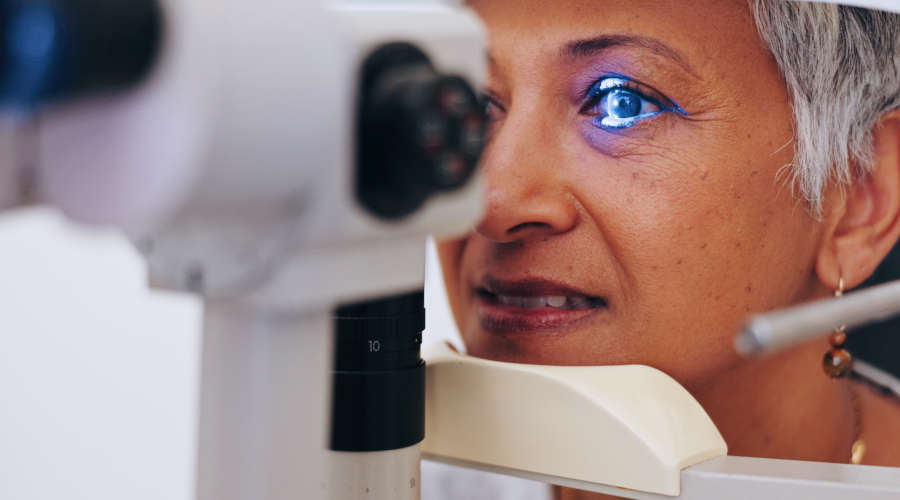
Without appropriate treatment, glaucoma can cause progressive and irreversible vision loss and, in severe cases, blindness. Fortunately, several treatments can help slow or prevent further damage to the optic nerve. Although glaucoma becomes more common with age, it can affect people of all ages. In many cases, the disease develops gradually without noticeable symptoms, sometimes remaining undetected for years. By the time vision changes become apparent, significant damage may already have occurred. This is why early detection and regular comprehensive eye examinations are essential for preserving vision.
The role of the optic nerve
The optic nerve carries visual information from the retina to the brain, allowing images to be processed and interpreted. When glaucoma damages the optic nerve, the transmission of visual information becomes impaired. As the disease progresses, portions of the visual field may gradually disappear, particularly peripheral vision.
Without diagnosis and treatment, glaucoma can eventually affect central vision and lead to severe visual impairment or blindness. Changes in the visual field and elevated pressure inside the eye are important indicators that may suggest glaucoma. However, some people develop glaucoma even when their eye pressure is within the normal range.
Symptoms are not always noticeable
The symptoms of glaucoma vary depending on the type and severity of the condition. In open-angle glaucoma, the most common form, symptoms often appear only after substantial optic nerve damage has occurred. The disease typically develops slowly and painlessly, causing a gradual loss of peripheral vision. Because these changes may initially be difficult to notice, glaucoma is sometimes diagnosed during a routine eye examination before the person experiences any obvious vision problems.
In contrast, acute angle-closure glaucoma can cause sudden and severe symptoms, including intense eye pain, blurred vision, halos around lights, redness, headache, nausea, and vomiting. This condition is a medical emergency that requires immediate treatment to prevent permanent vision loss.
Not all forms of angle-closure glaucoma produce sudden symptoms. Some develop gradually or intermittently. Regardless of the type, early diagnosis and appropriate medical care are essential for limiting irreversible damage to the optic nerve.
Main causes of glaucoma
The eye contains a clear fluid called aqueous humor, which helps maintain normal eye pressure and provides nutrients to certain structures inside the eye. This fluid is continuously produced and normally drains through specialized pathways near the junction of the iris and cornea.
When the drainage system becomes less effective, fluid may accumulate and increase intraocular pressure, the pressure inside the eye. Elevated eye pressure is a major risk factor for glaucoma because it can damage the optic nerve over time.
However, high eye pressure does not always lead to glaucoma, and glaucoma can develop even when intraocular pressure is considered normal. This means that measuring eye pressure alone is not sufficient to diagnose or rule out the disease.
Aging is an important risk factor because the likelihood of developing certain types of glaucoma increases over time. Family history and inherited genetic factors also play a significant role. Congenital glaucoma, which affects infants and young children, is generally associated with abnormalities in the development of the eye's drainage structures.
Other factors that may increase glaucoma risk include a family history of the disease, certain eye conditions, severe nearsightedness, previous eye injuries, and prolonged use of corticosteroid medications. Diabetes and some vascular conditions may also be associated with an increased risk in certain individuals.
Different types of glaucoma
There are several types of glaucoma, classified according to their underlying causes, the structure of the eye's drainage system, and how the disease develops.
Open-angle glaucoma is the most common type. It usually progresses slowly as the eye's drainage system becomes less effective. Intraocular pressure may increase, gradually damaging the optic nerve. This form of glaucoma is generally painless and may cause no noticeable symptoms until peripheral vision has been affected.
Angle-closure glaucoma occurs when the drainage angle between the iris and cornea becomes narrowed or blocked. In acute cases, this blockage causes a rapid increase in eye pressure, leading to severe pain, blurred vision, nausea, and other symptoms. Acute angle closure requires immediate medical attention. Chronic angle-closure glaucoma may develop more gradually and produce fewer noticeable symptoms.
Congenital glaucoma develops in infants or young children because the eye's drainage structures have not formed properly. Symptoms may include excessive tearing, sensitivity to light, cloudy corneas, and enlargement of the eye, a condition known as buphthalmos. Elevated intraocular pressure can damage the developing optic nerve, making early diagnosis and treatment particularly important.
Secondary glaucoma develops as a result of another medical condition, eye injury, or medication. Possible causes include eye inflammation, known as uveitis, trauma, certain eye disorders, and prolonged corticosteroid use. Symptoms vary depending on the underlying cause and may include blurred vision, eye pain, redness, light sensitivity, or gradual vision loss. Some cases develop without noticeable symptoms.
Normal-tension glaucoma occurs when optic nerve damage develops despite intraocular pressure measurements that fall within the statistically normal range. Its exact mechanisms are not fully understood, although factors such as optic nerve sensitivity and blood flow regulation may contribute. Normal-tension glaucoma is generally considered a form of open-angle glaucoma.
Glaucoma treatments
Although vision already lost to glaucoma generally cannot be restored, treatment can help protect the remaining vision by slowing or preventing further optic nerve damage. The main treatment options include prescription eye drops, laser procedures, and surgery.
Prescription eye drops are commonly used to lower intraocular pressure. Depending on the medication, they may reduce the production of aqueous humor or improve its drainage. These medications must be used as directed, and regular follow-up appointments are necessary to evaluate their effectiveness.
Laser treatments can also help reduce eye pressure. Selective laser trabeculoplasty, for example, is often used for open-angle glaucoma to improve fluid drainage. In certain cases of angle-closure glaucoma, laser peripheral iridotomy may be performed to create a small opening in the iris and help relieve or prevent blockage of the drainage angle.
Glaucoma surgery may be recommended when medications or laser procedures do not adequately control eye pressure, or when the disease requires more intensive treatment. Surgical options include trabeculectomy, drainage implants, and minimally invasive glaucoma surgery. The most appropriate procedure depends on the type and severity of glaucoma and the patient's individual needs.
Because glaucoma is a chronic condition, many patients require lifelong monitoring and ongoing treatment adjustments to preserve their vision.
Prevention and early detection of glaucoma
Glaucoma cannot always be prevented, particularly when genetic or age-related factors are involved. However, regular comprehensive eye examinations are one of the most effective ways to detect glaucoma early and reduce the risk of permanent vision loss.
During an eye examination, an optometrist or ophthalmologist may measure intraocular pressure, examine the optic nerve, evaluate the drainage angle, and perform visual field testing. Additional imaging tests, such as optical coherence tomography (OCT), may be used to assess the optic nerve and retinal nerve fiber layer.
The recommended frequency of eye examinations depends on a person's age, family history, eye health, and other risk factors. People with an increased risk of glaucoma may need more frequent assessments, while those already diagnosed with the disease require regular follow-up according to their eye care professional's recommendations.
Individuals with a family history of glaucoma, elevated eye pressure, or other significant risk factors should discuss an appropriate screening schedule with an optometrist or ophthalmologist. Healthy lifestyle habits, including regular physical activity and managing chronic health conditions, may support overall eye health, although they do not replace medical monitoring or glaucoma treatment.
Anyone experiencing sudden severe eye pain, blurred vision, halos around lights, nausea, or a red eye should seek emergency medical attention, as these symptoms may indicate acute angle-closure glaucoma.
Because glaucoma can develop silently, waiting for symptoms to appear is not a reliable way to protect vision. Early detection, appropriate treatment, and consistent follow-up offer the best opportunity to preserve eyesight and maintain quality of life.