
Eye exams: why regular visits to an optometrist matter
Prevention is an important part of maintaining overall health. Regular eye exams with an optometrist, much like other routine health checkups, should be part of a healthy routine to help protect vision and maintain good eye health throughout life.
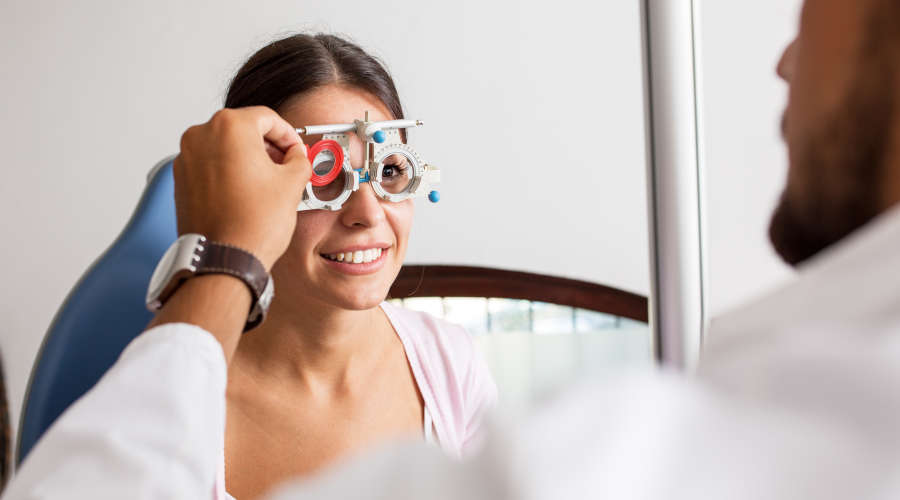
Good vision is valuable, and taking steps to preserve it should be a priority. From childhood through adulthood and into the senior years, regular eye exams can help detect certain eye diseases and protect vision. At school, at work, and during recreational activities, changes in vision can affect learning, performance, and everyday activities. Vision is also about much more than simply seeing clearly up close or at a distance. The visual system is complex, and certain abnormalities may go unnoticed without a comprehensive eye exam, potentially leading to more significant problems later.
Why should you have your eyes examined?
An eye exam helps assess vision, identify changes that may occur over time, and detect problems that could benefit from treatment or monitoring. When an abnormality is found, appropriate care may help control its progression and preserve vision over the long term.
The recommended frequency of eye exams varies according to age, overall health, eye health, family history, and individual risk factors. Children, older adults, people who wear corrective lenses, and individuals with certain medical or eye conditions may require more frequent examinations. An optometrist can recommend an appropriate schedule based on each person's needs.
A comprehensive eye exam may include several tests to evaluate both vision and eye health. Depending on the person's needs, an optometrist may examine the internal structures of the eyes, measure intraocular pressure, assess peripheral vision, evaluate eye alignment and coordination, test color vision, and determine how clearly each eye sees. Eye examinations may also reveal signs associated with conditions such as glaucoma, diabetic eye disease, or other health problems that can affect the eyes.
What happens during a comprehensive eye exam?
A comprehensive eye exam may include reviewing a person's current glasses or contact lenses, measuring visual acuity, determining the appropriate corrective lens prescription, examining the front and internal structures of the eyes, and measuring intraocular pressure when appropriate. Instruments such as an autorefractor, slit lamp, ophthalmoscope, retinal camera, or other imaging technology may be used depending on the examination and the patient's needs.
An eye exam can also help determine whether an eye condition or another health issue has developed that could affect vision. An optometrist is trained to identify vision problems and many signs of eye disease. When a condition requires specialized medical or surgical care, the patient may be referred to an ophthalmologist, a medical doctor specializing in the diagnosis and treatment of eye diseases and eye surgery.
The role of optometrists goes beyond vision testing
Optometrists play an important role in maintaining eye health. Although comprehensive eye exams are among their best-known services, their responsibilities extend beyond determining whether someone needs glasses or contact lenses. These eye care professionals help detect, diagnose, manage, and monitor a variety of vision problems and eye conditions.
Regular visits can also provide an opportunity to discuss changes in vision, eye discomfort, screen use, contact lens care, family history of eye disease, and other factors that may influence eye health.
Screening for and detecting eye diseases
One of the important roles of an optometrist is detecting signs of eye disease. Comprehensive examinations can identify conditions such as glaucoma, age-related macular degeneration, cataracts, and diabetic retinopathy. Some eye diseases can develop with few or no noticeable symptoms during their early stages, which is one reason routine examinations can be valuable.
Early detection may allow treatment or monitoring to begin before significant vision loss occurs. Depending on the condition, an optometrist may manage the problem directly or refer the patient to an ophthalmologist or another healthcare professional for additional evaluation and treatment.
Managing common vision problems
Optometrists diagnose and manage common refractive errors such as nearsightedness, farsightedness, astigmatism, and presbyopia. They can prescribe eyeglasses or contact lenses based on each patient's visual needs and lifestyle.
They may also provide specialized vision solutions. These can include specialty contact lenses for people with conditions such as keratoconus, recommendations for protective eyewear for work or sports, and strategies to address specific visual needs.
Treating and managing certain eye conditions
Depending on local regulations and the optometrist's scope of practice, optometrists may diagnose and treat certain eye conditions, including some forms of conjunctivitis, eye allergies, dry eye, and inflammation. They can also determine when symptoms require evaluation by an ophthalmologist or another healthcare professional.
Anyone experiencing sudden vision loss, significant eye pain, flashes of light, a sudden increase in floaters, an eye injury, or other significant or rapidly developing symptoms should seek prompt professional evaluation rather than waiting for a routine eye exam.
Follow-up care and eye health advice
Optometrists may also participate in follow-up care after certain eye procedures, such as laser vision correction or cataract surgery, depending on the patient's needs and the care arrangement with the ophthalmologist. Follow-up examinations help monitor healing and changes in vision.
Education is another important part of eye care. An optometrist can provide advice about contact lens hygiene, protecting the eyes from ultraviolet radiation, managing screen-related eye strain, using appropriate protective eyewear, and adopting habits that support long-term eye health.
An important part of preventive eye care
Optometrists do much more than determine whether someone needs glasses. They play an important role in preventive eye care, vision correction, detection of eye disease, and ongoing monitoring of eye health.
Because some vision changes and eye diseases can develop gradually, regular eye examinations provide an opportunity to identify potential problems before they begin to significantly affect everyday life. Anyone who has not had an eye exam recently can speak with an optometrist about how often an examination is appropriate based on age, health, vision needs, and individual risk factors.