
Foods rich in antioxidants
Antioxidants play an important role in maintaining good health. They are found primarily in fruits and vegetables, but also in many other foods and ingredients that are sometimes less well known.
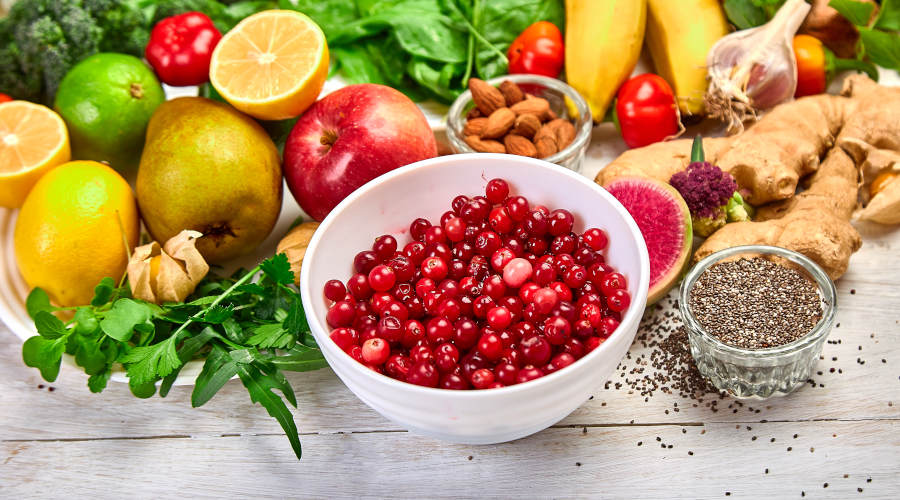
Antioxidants are widely recognized by nutritionists and other nutrition professionals for their potential health benefits. Research suggests that diets rich in antioxidant-containing foods may help support cardiovascular health and may be associated with a lower risk of certain chronic diseases. Antioxidants also help protect the body's cells from damage caused by unstable molecules known as free radicals. However, identifying foods that contain antioxidants and incorporating them into everyday meals is not always easy.
Fruits and vegetables
Many foods provide significant amounts of antioxidants. Fruits and vegetables are particularly well known for offering a wide variety of antioxidant-rich foods. Examples include apples, blueberries, eggplant, beets, broccoli, carrots, strawberries, tomatoes, mushrooms, lemons, spinach, and kiwi.
In addition to fruits and vegetables, several other foods contain antioxidants and can be included regularly in a balanced diet. Vegetable oils, nuts, peanut butter, sunflower seeds, avocados, fish, and eggs provide various antioxidant nutrients or compounds that can contribute to overall health.
Getting enough antioxidants through your diet
To increase antioxidant intake, it is recommended to eat a variety of fruits and vegetables every day. Rather than focusing on a specific number of servings, many dietary guidelines encourage making fruits and vegetables a substantial part of daily meals.
For most healthy individuals, antioxidant supplements are not necessary when following a balanced and varied diet. Eating a wide range of fruits, vegetables, nuts, seeds, and other nutritious foods can help provide the antioxidants and essential nutrients the body needs. High-dose antioxidant supplements have not consistently demonstrated the same benefits as antioxidant-rich foods and may carry risks in certain situations.
3 important benefits of antioxidants
Antioxidants have several important functions in the body. First, certain antioxidant nutrients help protect cells from oxidative damage and contribute to the normal functioning of the immune system. Nutrients such as vitamins C and E play roles in protecting cells, while vitamin C also supports normal immune function.
Second, antioxidants may contribute to long-term health by helping limit oxidative stress, a process associated with cellular damage. Although research has examined their potential role in cancer prevention, the evidence does not establish that consuming antioxidant supplements prevents cancer. The health benefits associated with fruits and vegetables are likely related to their overall combination of nutrients, fiber, and other beneficial compounds.
Finally, antioxidants are being studied for their potential role in protecting brain cells and supporting cognitive health. Oxidative stress and inflammation are involved in several processes associated with brain aging. While antioxidant-rich diets may support overall brain health, more research is needed to determine their specific effects on memory, learning, and cognitive decline.
20 foods rich in antioxidants
Many antioxidant-containing foods are readily available at grocery stores and can easily be incorporated into everyday meals. Here are 20 foods that provide antioxidants and other beneficial nutrients: grapes, onions, carrots, spinach, eggplant, garlic, parsley, legumes, mangoes, apples, broccoli, cauliflower, tomatoes, pink grapefruit, watermelon, oranges, kiwi, avocados, bell peppers, and olive oil.
These foods can be enjoyed fresh, cooked, or added to a variety of recipes. Combining different fruits, vegetables, and plant-based ingredients throughout the week is a practical way to increase dietary variety and obtain a broader range of beneficial compounds.
Antioxidants and chronic disease prevention
Beyond their role in protecting cells, antioxidants have attracted considerable scientific interest because of their potential relationship with chronic disease prevention. Oxidative stress is associated with the development of several conditions, including cardiovascular disease, certain cancers, and neurodegenerative disorders such as Alzheimer's disease.
However, it is important to distinguish between the benefits of eating antioxidant-rich foods and the effects of isolated antioxidant supplements. Studies consistently associate diets rich in fruits, vegetables, and other plant-based foods with better health outcomes, but these benefits cannot necessarily be attributed to antioxidants alone.
Regularly including antioxidant-rich foods as part of a balanced eating pattern may therefore support long-term health, particularly when combined with physical activity, adequate sleep, and other healthy lifestyle habits.
How cooking methods affect antioxidants
The way foods are prepared and consumed can influence their antioxidant content. For example, steaming certain vegetables instead of boiling them may help preserve some nutrients that can otherwise be lost in cooking water.
However, cooking does not always reduce the availability of beneficial compounds. In some foods, heat can actually make certain antioxidants easier for the body to absorb. Cooked tomatoes, for example, can provide more readily available lycopene than raw tomatoes, particularly when prepared with a small amount of oil.
Eating fruits and vegetables with their skins, when appropriate and properly washed, can also help preserve beneficial compounds. The skins of certain fruits contain substantial amounts of fiber and antioxidants.
Eating a variety of colors for more antioxidants
One of the simplest ways to increase antioxidant intake is to choose a colorful variety of fruits and vegetables. Different colors are often associated with different types of antioxidants and other beneficial plant compounds.
For example, blueberries, blackberries, and raspberries contain anthocyanins, while leafy green vegetables such as spinach provide lutein and other carotenoids. Orange and yellow vegetables, including carrots and sweet potatoes, are important sources of beta-carotene.
By including different colors and food groups in daily meals, individuals can obtain a wider variety of vitamins, minerals, fiber, and antioxidant compounds. Rather than relying on one particular superfood, a diverse and balanced diet remains one of the most practical approaches to supporting overall health.