
Healthy weight loss tips after the holidays
Looking to lose a few extra pounds after the holiday season? Returning to healthy eating habits, staying physically active, and making small adjustments to your daily routine can help you manage your weight and start the new year feeling healthier and more energized.
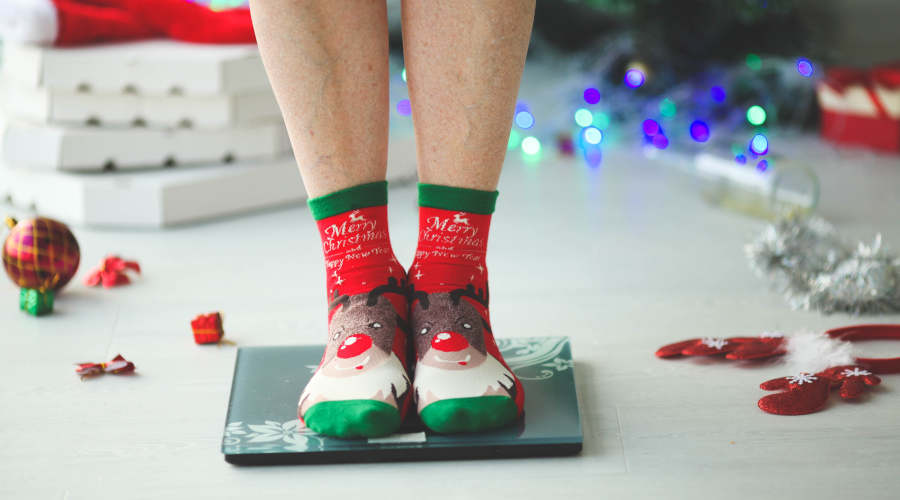
The holiday season is over, and a new year has begun. After weeks of festive meals, family gatherings, delicious desserts, and changes in daily routines, some people may notice that they have gained a few extra pounds. Others may simply feel less energetic or want to return to healthier habits after enjoying the celebrations.
Although holiday weight gain is common, it is important to remember that short-term changes on the scale do not always represent an increase in body fat. Eating more sodium and carbohydrates than usual can temporarily increase water retention, while changes in digestion and activity levels may also affect body weight.
For those who wish to lose weight, the beginning of a new year can be a good opportunity to develop sustainable habits that support long-term health. Rather than turning to restrictive diets or unrealistic resolutions, focusing on balanced nutrition, regular physical activity, and consistency can make a meaningful difference.
Make daily walking part of your routine
Walking is one of the simplest and most accessible forms of physical activity. It requires little equipment, can be adapted to different fitness levels, and offers benefits for cardiovascular health, mood, and overall well-being.
During the holiday season, busy schedules, travel, and social gatherings may disrupt regular exercise routines. Returning to daily walks can be an effective way to become more active without making drastic changes.
A practical goal is to aim for approximately 30 minutes of brisk walking on most days, depending on individual fitness and health conditions. Those who are not accustomed to regular exercise can begin with shorter walks and gradually increase their duration.
Walking sessions do not need to be completed all at once. Two 15-minute walks, for example, can provide a convenient way to incorporate movement into a busy day.
Walking to a nearby store, taking a stroll with a partner, walking the dog, or getting outside during a lunch break are all simple opportunities to increase daily activity.
Consistency matters more than intensity, especially when establishing a new habit. Over time, regular walking can help increase energy expenditure, improve endurance, and support weight management when combined with healthy eating habits.
Eat balanced meals instead of skipping them
After several weeks of festive eating, it can be tempting to skip meals or follow a strict diet to lose weight quickly. However, highly restrictive approaches are often difficult to maintain and may lead to excessive hunger, fatigue, or overeating later in the day.
A more sustainable strategy is to return to regular, balanced meals that provide adequate nutrition and help manage hunger throughout the day.
Meals that include vegetables, fruits, whole grains, lean proteins, and healthy fats can support overall health while helping people feel satisfied.
Protein-rich foods such as eggs, fish, poultry, beans, lentils, tofu, and yogurt can contribute to fullness and help maintain muscle mass during weight loss. Fiber-rich foods, including vegetables, fruits, and whole grains, also support digestive health and may help regulate appetite.
Eating three meals a day works well for many people, but there is no single ideal meal schedule for everyone. Some individuals prefer smaller, more frequent meals, while others feel better with fewer eating occasions. What matters most is overall dietary quality, appropriate portions, and a pattern that can be maintained over time.
Rather than focusing on eliminating favorite foods, making gradual improvements to everyday choices can help create lasting results.
Return to regular physical activity
The beginning of the year is traditionally a popular time to join a gym or restart an exercise program. Whether someone received a fitness membership as a holiday gift or simply wants to become more active, regular exercise can support both physical and mental health.
Fitness centers offer access to cardiovascular equipment, resistance training machines, free weights, and group exercise classes. These options can help individuals explore different activities and find something they enjoy.
However, joining a gym is not necessary to improve fitness or manage weight. Home workouts, cycling, swimming, dancing, and outdoor activities can also provide meaningful health benefits.
For general health, adults are encouraged to aim for at least 150 minutes of moderate-intensity aerobic activity per week, along with muscle-strengthening activities on at least two days.
Strength training is particularly valuable during weight loss because it helps preserve muscle mass. Maintaining muscle supports physical function and contributes to long-term metabolic health.
Those who have been inactive should start gradually and choose activities suited to their abilities. A routine that feels enjoyable and manageable is more likely to become a lasting habit than an overly demanding program.
Be mindful of high-calorie holiday foods
Holiday celebrations often feature rich meals, generous portions, and foods that are not typically consumed every day. Traditional dishes such as roasted meats, creamy casseroles, mashed potatoes with gravy, stuffing, and cheese-based appetizers can contribute to a higher calorie intake when eaten in large quantities.
These foods are not inherently unhealthy, but some contain substantial amounts of fat, sodium, or calories. Large portions and repeated servings can make it easy to consume more energy than the body needs.
Holiday desserts can also contribute to increased calorie intake. Cookies, cakes, pies, chocolates, and other sweet treats are often available throughout the season, sometimes encouraging frequent snacking even when a person is not particularly hungry.
Alcoholic beverages, including wine, beer, cocktails, and holiday drinks such as eggnog, can add calories without providing the same feeling of fullness as a balanced meal.
Rather than labeling these foods as forbidden, it is more helpful to pay attention to portion sizes, hunger cues, and overall eating patterns.
Adding vegetables to meals, choosing satisfying protein sources, and being mindful of sugary beverages can help create a more balanced approach to eating after the holidays.
Enjoy your favorite foods without feeling guilty
Healthy weight management does not require completely giving up favorite foods. In fact, allowing room for enjoyable meals and occasional treats can make a balanced eating pattern easier to maintain.
Traditional holiday dishes are often connected to family memories, cultural traditions, and celebrations. There is no need to view these foods as mistakes that must be corrected through strict dieting or excessive exercise.
Instead, moderation and mindful eating can help individuals enjoy their meals while remaining attentive to their nutritional needs.
For example, serving a smaller portion of a rich dish, adding vegetables to the plate, or choosing a favorite dessert rather than sampling several different ones can help manage overall intake without creating unnecessary restrictions.
Eating slowly and paying attention to feelings of hunger and fullness may also help prevent habitual overeating.
When attending gatherings, alternating alcoholic beverages with water or choosing nonalcoholic options can reduce alcohol consumption and support hydration.
The goal is not to achieve perfect eating habits but to develop a balanced relationship with food that supports both physical health and enjoyment.
Stay hydrated and pay attention to liquid calories
Hydration is an important part of overall health and can be especially helpful when returning to a regular routine after the holidays.
Water supports normal digestion, temperature regulation, and numerous other physiological functions. Drinking enough throughout the day can also help distinguish thirst from hunger in some situations.
However, drinking more water does not directly burn body fat. Its role in weight management is primarily related to maintaining adequate hydration and potentially replacing higher-calorie beverages.
Sugary sodas, sweetened coffee drinks, energy drinks, and certain fruit beverages can contribute substantial calories without providing lasting fullness.
Replacing some of these drinks with water, sparkling water, or unsweetened beverages is a simple change that may help reduce overall calorie intake.
Individual fluid needs vary according to activity level, climate, diet, and health conditions, so drinking according to thirst and personal needs is generally a practical approach for healthy adults.
Get enough sleep and manage stress
Sleep is often overlooked when discussing healthy weight management. Yet inadequate sleep can influence appetite, energy levels, food choices, and motivation to exercise.
After a holiday season filled with late nights and irregular schedules, returning to consistent sleeping habits can help restore energy and support overall well-being.
Most adults benefit from approximately 7 to 9 hours of sleep per night, although individual needs vary.
Chronic stress can also influence eating habits. Some people may experience increased cravings or turn to food for comfort during stressful periods.
Activities such as walking outdoors, meditation, reading, or spending time with friends and family can help manage stress and support emotional health.
Addressing sleep and stress alongside nutrition and exercise creates a more comprehensive approach to long-term weight management.
Set realistic and sustainable weight loss goals
One of the most important steps toward successful weight management is establishing realistic expectations.
Rapid weight loss programs may promise dramatic results, but these approaches can be difficult to sustain and may not provide adequate nutrition.
For adults who would benefit medically from weight loss, a gradual approach is generally more sustainable. A commonly recommended pace is approximately 1 to 2 pounds per week, although an appropriate rate depends on individual circumstances, starting weight, health conditions, and treatment goals.
It is also important to recognize that not everyone who gains a few pounds during the holidays needs to lose weight. Body weight naturally fluctuates, and health cannot be determined by a number on the scale alone.
Setting goals related to behaviors, such as walking more often, preparing balanced meals, or improving sleep habits, may be more motivating than focusing exclusively on weight.
Tracking progress through improvements in energy, endurance, strength, and overall well-being can provide a broader picture of health.
People with chronic medical conditions, a history of disordered eating, or concerns about their weight may benefit from consulting a registered dietitian or another qualified healthcare professional before beginning a weight loss program.
Start the new year with healthier habits
The period following the holidays can be a useful opportunity to reassess daily routines and establish healthier habits. However, there is no need to compensate for festive meals through extreme restrictions or demanding exercise programs.
Simple changes, such as walking regularly, eating balanced meals, staying hydrated, sleeping adequately, and choosing enjoyable physical activities, can support long-term health.
Rather than expecting immediate results, focusing on gradual improvements helps create a routine that remains manageable throughout the year.
Healthy weight management is about consistency, balance, and overall well-being, not perfection. By adopting realistic habits and maintaining a positive relationship with food and physical activity, individuals can begin the new year feeling more energized and better prepared to support their health over time.