
Babies in the sun and essential sun safety tips
Early childhood sun exposure, especially without adequate protection, can cause lasting skin damage and increase the risk of skin cancer later in life. Understanding the risks of ultraviolet radiation and adopting appropriate sun safety habits can help parents protect babies and children.
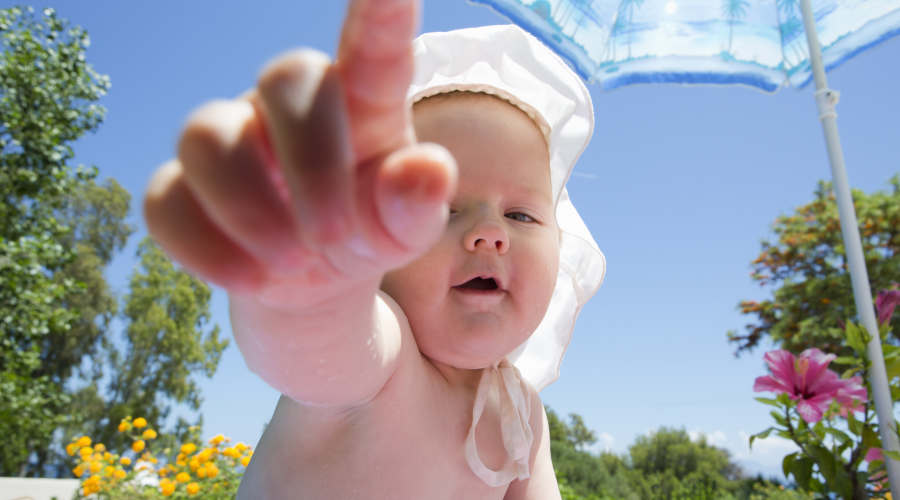
Research has shown that excessive exposure to ultraviolet (UV) radiation during childhood can contribute to skin damage and increase the risk of developing skin cancer later in life. Children who experience repeated sunburns, particularly severe sunburns, may face a higher risk of certain types of skin cancer as adults. This is why protecting children from excessive sun exposure is important from infancy through adolescence.
Sun protection involves more than simply applying sunscreen. Seeking shade, wearing protective clothing, and limiting outdoor activities during periods of intense sunlight are all important preventive measures. UV radiation is generally strongest between 10 a.m. and 4 p.m., although intensity varies according to location, season, altitude, and weather conditions. It is also important to remember that sun exposure is not the only factor associated with skin cancer. Genetics, skin type, and other individual risk factors also play a role.
Why babies and children are more vulnerable to the sun
Babies have delicate skin that requires special protection from ultraviolet radiation. For infants younger than six months, the safest approach is to keep them out of direct sunlight whenever possible. Shade, lightweight protective clothing, and wide-brimmed hats are particularly important because young infants are also more vulnerable to overheating.
For babies under six months, sunscreen should not be the primary form of sun protection. Parents should prioritize shade and clothing and consult a pediatrician if adequate protection is not possible. For older babies and children, a broad-spectrum sunscreen with an SPF of at least 30 can be applied to exposed skin, following the product instructions.
Even in shaded areas, reflected and scattered UV rays can reach the skin. Extra precautions are especially important for children with fair skin, light-colored hair, or a tendency to burn easily. However, children of every skin tone need sun protection, since UV radiation can damage all skin types.
How to protect babies and children from the sun
In addition to sunscreen when appropriate, clothing plays an essential role in protecting children from UV radiation. Lightweight, breathable garments that cover the arms and legs can help reduce direct sun exposure. Tightly woven fabrics and clothing with an ultraviolet protection factor (UPF) rating provide additional protection.
A wide-brimmed hat can help protect the face, ears, and neck. For children old enough to wear them safely, sunglasses that block 99% to 100% of UVA and UVB rays can also help protect the eyes from ultraviolet radiation.
After swimming, wet clothing should be replaced when necessary, particularly if the fabric becomes more transparent or provides less UV protection when wet. Sunscreen should also be reapplied according to the product directions, generally at least every two hours and after swimming or excessive sweating, even when using water-resistant products.
Stroller walks require special attention. A stroller canopy or properly positioned sunshade can help protect a baby from direct sunlight. However, parents should never completely cover a stroller with a blanket or other fabric that restricts airflow, as this can trap heat and increase the risk of overheating.
Choosing cooler times of day for outdoor activities, taking frequent breaks in shaded areas, and monitoring children for signs of discomfort can also help reduce the risks associated with sun exposure.
Hydration and preventing overheating
Staying adequately hydrated is especially important during hot weather. Babies and young children may be more vulnerable to heat-related illness because their bodies do not regulate temperature as efficiently as those of adults.
For babies younger than six months, breast milk or infant formula generally provides the fluids they need, including during warm weather. More frequent feedings may be necessary. Parents should not routinely offer additional water to young infants unless advised by a healthcare professional.
Older babies and children may need additional fluids depending on their age, diet, activity level, and the temperature. Offering fluids regularly, avoiding prolonged exposure to heat, and allowing frequent rest periods in cool environments are important preventive measures.
A cool, damp cloth or gentle misting may provide temporary comfort, but these measures should not replace shade, appropriate clothing, hydration, and access to a cooler environment.
Warning signs of heat-related illness can include unusual irritability, weakness, dizziness, headache, nausea, excessive sleepiness, or changes in normal behavior. A child who becomes confused, collapses, has a seizure, or shows signs of heatstroke requires immediate emergency medical attention.
Sun-related skin reactions and allergies
Sun exposure can sometimes trigger skin reactions in children and adults. Certain conditions, known as photosensitivity reactions, may cause redness, itching, rashes, or other symptoms after exposure to sunlight.
One example is polymorphous light eruption, a condition that can cause an itchy rash following sun exposure. It is more commonly seen in adolescents and adults than in very young children. Certain medications and skincare products can also increase sensitivity to sunlight.
Eczema, also known as atopic dermatitis, is another common skin condition that can affect babies and children. Although eczema is not necessarily caused by sunlight or a sun allergy, heat, sweating, and certain skincare products may aggravate symptoms in some individuals. Eczema often causes dry, red, irritated, or itchy patches of skin.
Parents who notice persistent rashes, unusual skin reactions, or symptoms that worsen after sun exposure should consult a pediatrician or dermatologist. A healthcare professional can help determine the cause and recommend appropriate treatment.
Building healthy sun protection habits early
Protecting babies and children from excessive sun exposure is an important investment in their long-term skin health. Establishing good habits early can help reduce cumulative UV damage and encourage children to practice sun safety as they grow older.
Whenever possible, families should seek shade during peak sunlight hours, choose protective clothing, use wide-brimmed hats, and apply appropriate broad-spectrum sunscreen to exposed skin. Parents should also remember that UV rays can penetrate clouds and reflect off surfaces such as water, sand, and pavement.
With the right precautions, babies and children can enjoy outdoor activities while minimizing the risks associated with ultraviolet radiation and excessive heat. When questions arise about sunscreen use, skin reactions, or heat safety, a pediatrician or another qualified healthcare professional can provide guidance based on the child's age and individual needs.