
Reflexology: techniques, benefits and how it works
Reflexology is a complementary therapy that has become increasingly popular in the wellness and healthcare fields. Based on applying pressure to specific areas of the body, particularly the feet and hands, this practice is often used to promote relaxation and well-being. Discover what reflexology involves, its different techniques, and its potential role in complementary care.
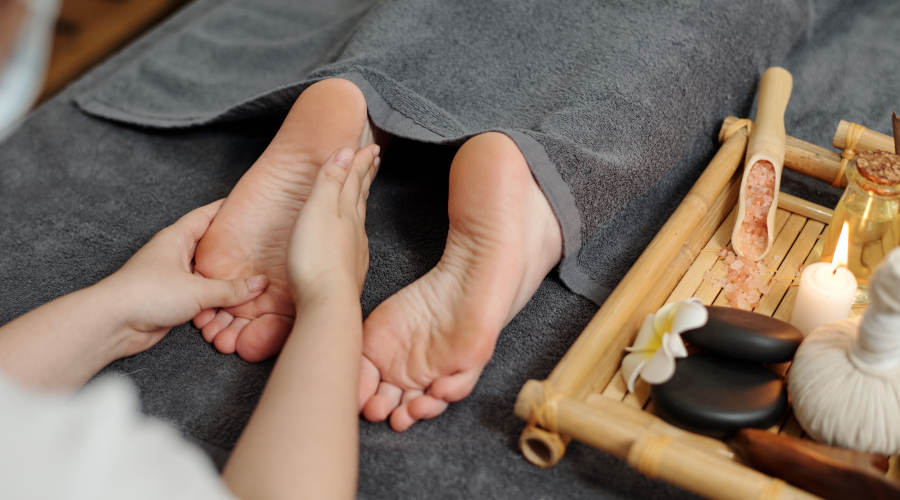
Reflexology is often associated with ancient Chinese and Egyptian healing traditions, although the precise historical origins of modern reflexology remain uncertain. The practice developed over time, with modern techniques becoming more widely established during the nineteenth and twentieth centuries.
What is reflexology?
The term "reflexology" comes from the concept of a reflex, which refers to an automatic response to stimulation. Reflexology involves applying pressure to specific areas of the body, usually the feet, hands, or ears. According to reflexology theory, these areas correspond to different organs and systems throughout the body.
Practitioners believe that stimulating these points can help restore balance and encourage the body's natural healing processes. This approach differs from other complementary practices such as osteopathy or acupuncture. However, the proposed connections between reflex points and internal organs, as well as the concept of restoring energy flow through these points, have not been scientifically established.
Reflexology uses different levels of pressure and various manual techniques, including gentle stroking, kneading, and targeted thumb movements. The intensity of the pressure may vary depending on the method used and the person's comfort level. Many people describe feeling deeply relaxed during or after a session, which may contribute to a greater sense of well-being.
The potential benefits of reflexology
Reflexology is primarily used to promote relaxation, reduce perceived stress, and provide comfort. Some people report improvements in their general sense of well-being, sleep quality, and physical tension following a session.
Supporters of reflexology also suggest that it may influence circulation and various body systems, including the nervous, lymphatic, urinary, and cardiovascular systems. However, there is insufficient scientific evidence to confirm that reflexology directly improves the functioning of these organs or systems.
Some studies have explored the use of reflexology as a complementary approach for people undergoing cancer treatment or receiving palliative care. Certain patients have reported reduced anxiety, discomfort, or perceived pain. However, research findings remain mixed, and the quality of available evidence varies.
Reflexology has also been explored in relation to pregnancy-related discomfort, menopause symptoms, irritable bowel syndrome, Parkinson's disease, and workplace stress. Although some individuals may experience temporary relief or relaxation, there is currently insufficient evidence to establish reflexology as an effective treatment for these medical conditions.
Reflexology should therefore be considered a complementary wellness practice rather than a replacement for medical evaluation, prescribed medications, or established treatments.
Reflex zones and pressure points
According to reflexology theory, different areas of the feet, hands, and ears correspond to specific organs, glands, and structures within the body. Practitioners use diagrams known as reflexology maps to identify these areas and guide their treatments.
For example, reflexology maps may associate certain points with the head, neck, brain, sinuses, eyes, thyroid gland, stomach, pancreas, intestines, shoulders, and other parts of the body. These associations are part of the traditional framework of reflexology rather than scientifically demonstrated anatomical connections.
Different forms of reflexology focus on different areas of the body. Foot reflexology is among the most widely practiced, while hand, facial, scalp, and ear reflexology are also used by some practitioners.
Within reflexology traditions, tenderness in a particular pressure point is sometimes interpreted as a sign of imbalance in the corresponding body area. However, pain or sensitivity at a reflex point cannot reliably diagnose a medical condition or indicate that a specific organ is not functioning properly.
Similarly, claims that applying pressure in a particular direction can stimulate or inhibit an organ's activity have not been supported by convincing scientific evidence. The benefits experienced during a session are more reasonably associated with relaxation, touch, and the overall experience of receiving care.
The three main reflexology approaches
Several reflexology traditions exist, each with its own techniques and philosophy. Three commonly described approaches are Chinese, American, and South African reflexology.
Chinese reflexology draws inspiration from traditional Chinese medicine. It generally uses firmer pressure and may involve specialized tools to stimulate specific areas of the feet or hands. Sessions can be more intense than those using gentler approaches, although the level of pressure should always remain appropriate for the individual.
American reflexology commonly involves manual techniques such as stroking, kneading, and targeted thumb or finger pressure. One frequently used movement is the thumb-walking technique, in which the practitioner applies small, repeated pressure movements along specific areas of the foot or hand.
South African reflexology is generally characterized by softer, gentler pressure. This approach places particular emphasis on relaxation and the emotional experience of the person receiving treatment. Practitioners may view emotional well-being and physical comfort as closely connected.
Although these approaches differ in their techniques and intensity, they generally share the goal of promoting relaxation and comfort through carefully applied pressure and repetitive movements.
Reflexology as part of a wellness routine
Reflexology is based on the traditional belief that stimulating specific pressure points can encourage balance and support the body's natural processes. While these mechanisms have not been scientifically demonstrated, the practice may offer a relaxing experience for people who enjoy therapeutic touch and complementary wellness activities.
Anyone considering reflexology should choose a practitioner who follows appropriate hygiene and safety practices. People with foot injuries, circulation problems, blood clots, neuropathy, or other significant medical conditions should consult a healthcare professional before receiving treatment.
Reflexology is not a cure for disease and should never delay appropriate medical care. When used responsibly alongside conventional healthcare, it may provide an additional opportunity for relaxation, stress management, and personal well-being.