
Can mistletoe help lower high blood pressure?
Mistletoe has been used in traditional herbal medicine for centuries and has attracted interest for its potential effects on blood vessels and circulation. Although some research suggests that certain mistletoe compounds may influence blood pressure, its effectiveness and safety as a treatment for hypertension remain uncertain.
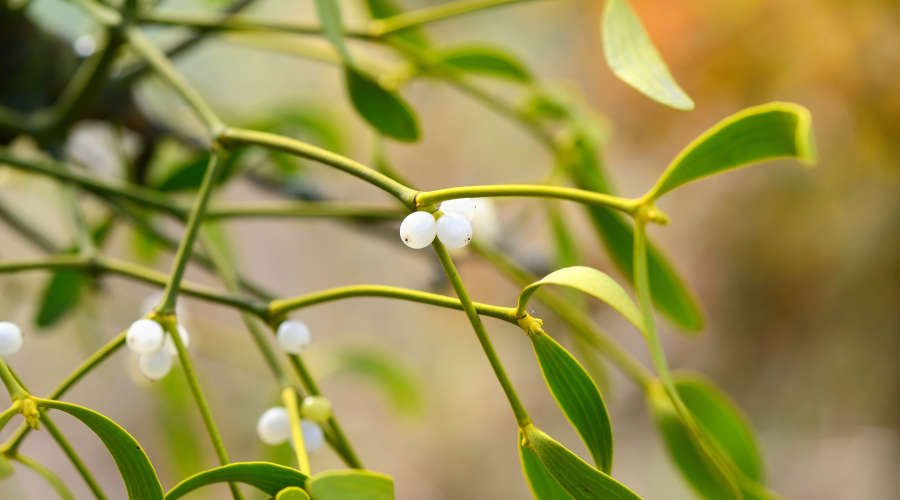
Mistletoe, also known by its scientific name Viscum album or European mistletoe, is a plant traditionally found in various regions of Europe. It has a long history of use in herbal medicine, including among ancient European cultures. Mistletoe grows on the branches of host trees, such as apple trees, elms, and certain conifers. It is an evergreen plant characterized by branching stems, small leaves, and white berries.
European mistletoe should not be confused with American mistletoe, which belongs to a different botanical group. Both types can be harmful if ingested, and their chemical composition and potential toxicity differ.
Traditional uses of mistletoe
In traditional herbal medicine, mistletoe leaves and stems have been used in preparations such as teas, dried herbs, and extracts. The plant contains several biologically active compounds, including mistletoe lectins and viscotoxins, which have attracted scientific interest because of their effects on cells and biological processes.
Historically, mistletoe preparations have been used for a variety of conditions, including epilepsy, asthma, digestive discomfort, and symptoms associated with menopause. Traditional practitioners have also promoted mistletoe for cardiovascular concerns, including irregular heart rhythms, high blood pressure, and atherosclerosis.
However, historical use does not establish that a plant is effective or safe. Many of these traditional applications have not been supported by reliable clinical research, and mistletoe is not an established treatment for these medical conditions.
Can mistletoe lower blood pressure?
Some laboratory and animal studies have investigated whether compounds found in mistletoe may influence blood vessel function and blood pressure. Researchers have explored possible vasodilatory effects, meaning the ability of certain substances to relax or widen blood vessels.
These findings have led to interest in mistletoe as a potential natural approach to managing hypertension. However, results from laboratory experiments and animal studies cannot automatically be applied to humans.
At present, there is insufficient high-quality clinical evidence to demonstrate that mistletoe safely and effectively lowers blood pressure in people with hypertension. Its effects may also vary depending on the plant species, preparation method, concentration, and dosage.
Mistletoe extracts have also been studied in complementary cancer care, particularly in some European countries. Certain preparations are administered by injection under medical supervision. However, these treatments are different from oral mistletoe products, and there is no convincing evidence that mistletoe cures cancer or reliably slows tumor progression.
Although many modern medications originate from plants or plant-derived compounds, this does not mean that herbal preparations are automatically safe or effective. Products containing mistletoe should not be used to replace prescribed blood pressure medications.
Available clinical evidence
Scientific research examining the effects of mistletoe on blood pressure remains limited. Some experimental studies have reported reductions in blood pressure in animals, but these findings do not provide sufficient evidence of effectiveness in humans.
A small number of human studies have explored mistletoe preparations, sometimes in combination with other medicinal plants. However, many of these investigations have methodological limitations, including small sample sizes, inadequate controls, or difficulty determining which ingredient may have produced an observed effect.
As a result, the available evidence does not support recommending mistletoe as a reliable treatment for high blood pressure.
More rigorous clinical trials would be needed to determine whether particular mistletoe compounds have any meaningful therapeutic effects, what doses might be effective, and whether their potential benefits outweigh the associated risks.
Safety precautions and possible side effects
Although mistletoe has a long history in traditional medicine, it can pose health risks, especially when consumed without appropriate medical guidance.
Different parts of the plant contain potentially toxic substances. Ingesting mistletoe may cause nausea, vomiting, diarrhea, abdominal discomfort, and other adverse reactions. The severity of poisoning depends on factors such as the species, the amount consumed, and the preparation involved.
Severe reactions are less common but may occur, particularly with certain concentrated preparations or significant exposures. Anyone who suspects mistletoe poisoning should contact a poison control center or seek medical attention promptly.
Mistletoe products may also interact with medications, including drugs used to manage blood pressure. Combining substances that affect cardiovascular function could potentially cause unwanted changes in blood pressure or other complications.
The chemical composition of mistletoe can vary depending on the host tree, growing conditions, harvesting methods, and manufacturing process. This variability makes it difficult to predict the effects of homemade preparations or products that have not been adequately standardized.
Pregnant or breastfeeding individuals, children, and people with chronic medical conditions should avoid using mistletoe medicinally unless specifically directed by a qualified healthcare professional.
Medical recommendations for managing hypertension
Major medical guidelines do not recognize mistletoe as a standard treatment for hypertension because of the lack of reliable scientific evidence demonstrating its safety and effectiveness.
Evidence-based approaches remain the foundation of blood pressure management. These include maintaining a balanced diet, limiting sodium intake, engaging in regular physical activity, managing body weight when appropriate, avoiding tobacco, limiting alcohol consumption, and taking prescribed medications when necessary.
Regular blood pressure monitoring is also important because hypertension often develops without noticeable symptoms. Identifying and managing elevated blood pressure can help reduce the risk of serious complications, including heart disease, stroke, and kidney damage.
Anyone interested in herbal remedies should discuss them with a physician or pharmacist before use, particularly when already taking medication for hypertension or another cardiovascular condition.
Should mistletoe be used for high blood pressure?
Mistletoe contains biologically active compounds that have generated scientific interest, but its potential benefits for lowering blood pressure remain unproven in humans.
Given the limited clinical evidence, possible toxicity, and potential interactions with medications, mistletoe should not be considered a safe or effective alternative to established hypertension treatments.
People with high blood pressure should prioritize medically recommended lifestyle changes, regular monitoring, and prescribed treatment when indicated. Consulting a qualified healthcare professional remains the safest way to evaluate complementary approaches and make informed decisions about cardiovascular health.